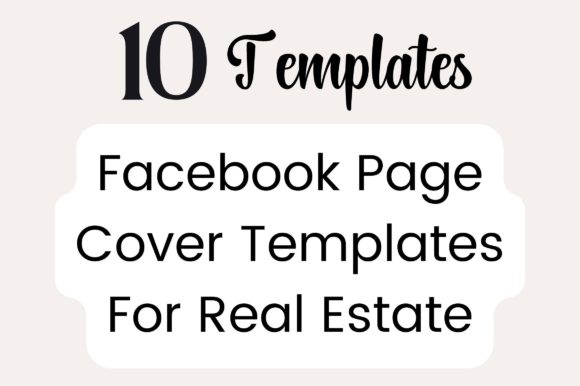
Real Estate Facebook Cover Template: Premium Graphics for Agents
I recently received a brief from a client who manages a boutique real estate firm in a competitive urban market. They needed to refresh their entire digital presence, specifically their social media channels, to project an image of stability and high-end service. The goal was not just to look professional, but to establish immediate visual trust with potential homebuyers. In this scenario, I evaluated the Real Estate Facebook Cover Template as a core component of their brand identity refresh. As a designer who works daily with branding, marketing visuals, and commercial design assets, my review focuses on how this asset performs in a real-world client project rather than just listing features.
First Impressions and Visual Mood
When I first opened the file, the immediate takeaway was its clean, authoritative aesthetic. Unlike generic clipart that often feels dated or cluttered, this Premium Real Estate Facebook Cover Template for Realtors strikes a balance between modern design principles and industry-specific expectations. The layout utilizes negative space effectively, allowing key information to breathe while maintaining a strong visual hierarchy. It creates a mood of reliability and sophistication, which is exactly what a serious real estate agent needs to convey to their audience.
The color palette appears neutral yet warm, avoiding the harsh blues or reds that can sometimes dominate the sector. This subtlety ensures that the design does not clash with other Graphic Templates used across the agency's platform. For a designer, this is crucial; it means the asset can integrate seamlessly into a broader design bundle without requiring extensive color correction. The style represents a modern design approach that aligns well with current trends in web design and editorial design.
Performance in Real Client Projects
In the context of our client's project, the Real Estate Facebook Cover Template proved versatile enough to serve multiple functions within their marketing strategy. It acts as more than just a header; it serves as a foundational element for their brand identity. When paired with their logo and contact details, the cover transforms into a powerful marketing visual that guides user attention immediately upon visiting their page.
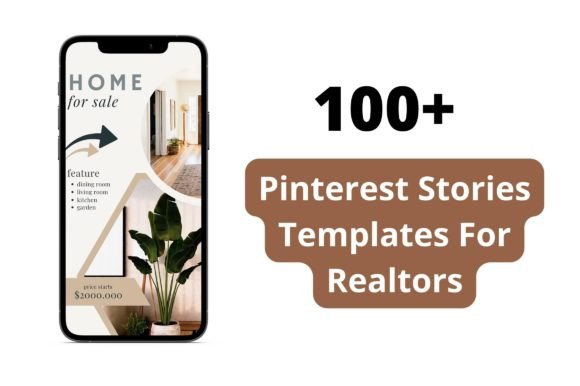
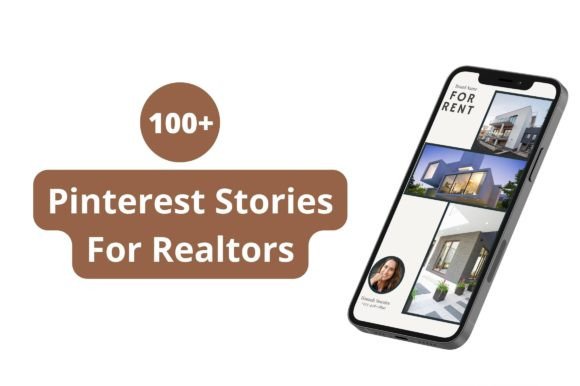
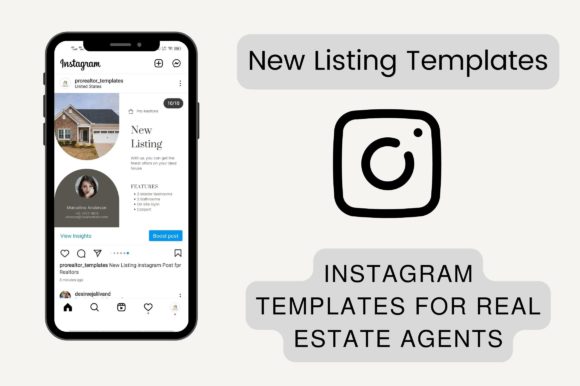
This asset also excels when adapted for other platforms. Since it is built as a Canva template, I was able to quickly extract elements to create supporting social media graphics like Instagram posts and Pinterest pins. The consistency maintained across these different formats reinforces brand recognition. Furthermore, the design structure allows for easy modification if the client decides to launch a specific seasonal campaign or promote a new property listing. It functions as a flexible digital product that supports both static branding and dynamic content updates.
For small business owners and entrepreneurs looking to elevate their online presence, using such a specialized graphic design asset eliminates the guesswork involved in creating custom layouts from scratch. It provides a polished starting point that looks professionally curated, which is essential for small business branding where every pixel counts toward credibility.
Ideally Suited Applications
The Real Estate Facebook Cover Template shines brightest in large layout areas where visual impact is paramount. It is perfect for hero graphics on landing pages or as a primary banner for Facebook Pages Covers designed to make agents look more professional. Its scalable nature makes it suitable for high-resolution displays, ensuring crisp edges on retina screens.
- Hero Graphics: Use the full-width design as a top-of-page banner to set the tone for the website.
- Campaign Visuals: Adapt the background elements for limited-time offers or open house announcements.
- Social Media Posts: Repurpose the color schemes and geometric shapes for consistent feed aesthetics.
- Digital Ads: Utilize the clean layout for paid advertising campaigns targeting local buyers.
Additionally, the design works well as a decorative accent in packaging design for physical marketing materials, such as brochures or flyers accompanying a property listing. It adds a layer of cohesion that ties digital efforts to tangible print deliverables.
Areas Requiring Careful Consideration
While the template is robust, there are scenarios where a designer must exercise caution. Due to its detailed composition, it may not perform well in extremely small sizes, such as mobile app icons or tiny thumbnail images. In crowded layouts where text density is high, the design elements might compete with copy, disrupting the visual hierarchy.
It is also less suitable for minimalist branding projects that require stark simplicity. If a client prefers a very clean, corporate aesthetic with heavy reliance on whitespace and no graphical flourishes, this asset might feel too busy. Similarly, for projects requiring very low-contrast designs, the intricate details could get lost against light backgrounds. Designers should always preview the asset on actual mockups to ensure it retains its integrity before finalizing the concept.
Practical Designer Notes for Commercial Use
Before committing to using this asset for a paying client, several technical checks are necessary to ensure quality and compliance. First, test the design in black and white. This reveals whether the contrast relies solely on color or if the shape and form provide sufficient distinction. Checking contrast on both light and dark backgrounds is vital for accessibility and readability.
File format inspection is another critical step. Verify if the asset includes a transparent PNG version for overlaying on other images or if vector editability is available for resizing without quality loss. Inspecting the transparency ensures that jagged edges do not appear when the graphic is placed over varied backgrounds. Additionally, compare the font styles used in the template with your preferred serif, sans serif, script, handwritten, or display fonts to ensure they complement rather than clash with your overall typographic strategy.
Finally, confirm the commercial license explicitly. Using a commercial design asset for a client project requires clear rights to modify and distribute the work. Ensure the license covers print-on-demand services, Etsy products, and unlimited client usage if you plan to resell the design as part of a package. Ignoring licensing terms can lead to legal issues, so due diligence here protects both the designer and the end client.
Final Verdict on Professional Suitability
Ultimately, the Real Estate Facebook Cover Template delivers a high level of polish that is difficult to achieve quickly with basic tools. It supports the emotional appeal and professional impression required in the real estate sector. By integrating this creative design into a cohesive brand identity, designers can help clients stand out in a saturated market. Whether used for sticker design, t-shirt design, or purely digital applications, this asset proves its value as a reliable tool for creative marketplace professionals.
For those seeking to enhance their marketing visuals without compromising on quality, this template offers a solid foundation. It bridges the gap between DIY convenience and professional execution, making it an excellent choice for content creators, bloggers, and publishers who need to maintain a consistent and trustworthy image. When used correctly, it elevates the entire perception of the brand, proving that the right graphics can significantly impact audience engagement and conversion.