Real Estate Closing Checklist Template Graphics and Print Templates
As a digital publisher who has spent years curating visual assets for high-traffic blogs and editorial sites, I approach every new graphic design asset with a critical eye. The difference between a content site that feels amateurish and one that commands authority often comes down to the quality of its visuals. Today, I am reviewing the Real Estate Closing Checklist Template, a tool designed for agents and publishers alike. This is not just a static image; it is a strategic digital product built to elevate the presentation of complex information into something clean, trustworthy, and instantly readable.
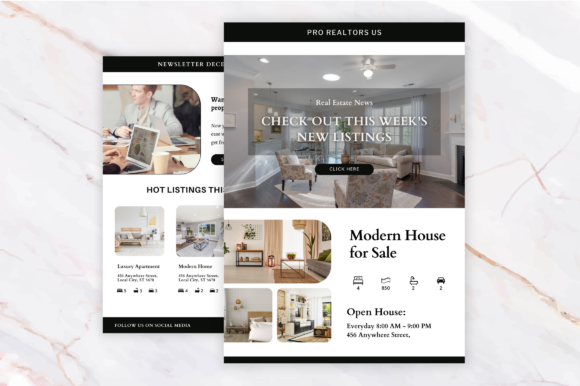
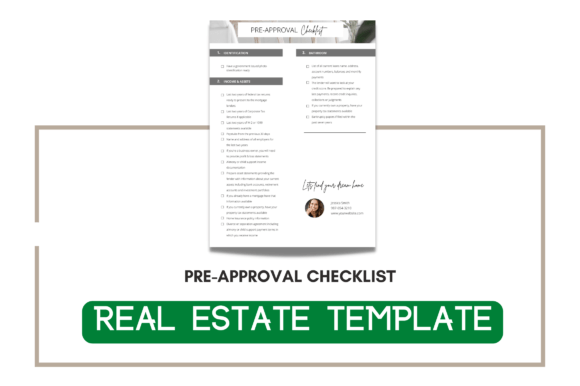
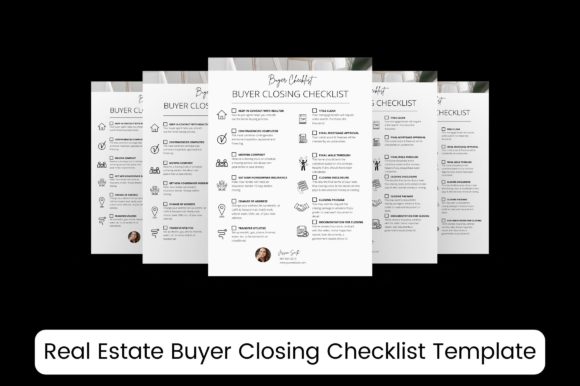
The first impression this asset makes is one of professional clarity. In the world of editorial design, clutter is the enemy. When I opened the file in Canva, I immediately noted how the layout prioritizes readability without sacrificing aesthetic appeal. It creates an editorial mood that is modern, clean, and highly functional. For a niche like real estate, where trust is the currency, this template avoids being overly playful or decorative. Instead, it leans into a sophisticated, business-oriented style that signals competence to the reader. It fits naturally into content that needs to look polished, whether that is a blog post about mortgage tips, a downloadable guide for home buyers, or a newsletter update for an agency.
Elevating Your Blog Graphics and Editorial Layouts
One of the most common challenges for bloggers and affiliate marketers is creating visuals that stand out in a crowded feed while maintaining brand consistency. The Real Estate Closing Checklist Template solves this by offering a structured framework that can be adapted for various publishing needs. Imagine you are preparing a featured image for an article titled "The Ultimate Home Buying Guide." Using this template allows you to create a Pinterest pin or social media graphic that looks as though it was designed by a full-time creative team.
The versatility of this asset extends far beyond simple checklists. Because it is fully editable in Canva, you can repurpose it as a website header, a category thumbnail, or even a cover for a digital guide. When used as a lead magnet, such as a free PDF download for your email list, it transforms a standard text document into a branded content marketing tool. The visual hierarchy within the design guides the eye naturally from the title to the key points, ensuring that your message is absorbed quickly. This is crucial for mobile users who scroll rapidly through their feeds. A well-designed checklist does more than organize data; it invites the user to engage, increasing the likelihood of clicks and shares.
Strategic Applications for Content Creators
In my workflow, I rarely use a single asset for just one purpose. The value of a premium design asset lies in its adaptability across multiple channels. Here is how I would deploy this template in a real publishing scenario:
- Featured Images and Thumbnails: Use the template's bold structure to create eye-catching thumbnails for YouTube videos or blog posts. The clean lines ensure that text overlays remain legible even on small screens.
- Nutrition for Social Media: Create a series of social media graphics that break down the closing process into bite-sized steps. Each step becomes a shareable card that drives traffic back to your main website.
- Digital Downloads: Offer this as a free resource to capture leads. By branding it effectively, you turn a simple utility into a powerful lead magnet that establishes your authority.
- Newsletter Headers: Customize the color palette to match your newsletter branding. A consistent visual identity in your emails improves open rates and reinforces your brand identity.
- Affiliate Content Visuals: If you are writing reviews or comparison articles, use this template to present pros and cons lists or feature breakdowns in a visually appealing format.
The ability to send these directly to clients or agencies also streamlines collaboration. For small business owners managing their own PR, having a library of editable templates saves hours of design time. You can focus on the strategy rather than the pixels, knowing that the visual output remains professional and aligned with industry standards.
Maximizing Performance Through Visual Trust
Why does the design of a checklist matter so much? The answer lies in psychology. Readers form opinions about your content within milliseconds. A blurry, poorly aligned, or generic image suggests carelessness, which can erode trust in your recommendations. Conversely, a sharp, well-composed graphic like the Real Estate Closing Checklist Template implies that you have invested effort into your craft. This perception translates directly to performance metrics: stronger click-through potential, better engagement rates, and higher conversion for your offers.
This asset supports a cohesive visual identity across your entire digital ecosystem. Whether a visitor lands on your homepage, reads a blog post, or views your Instagram profile, the consistent use of high-quality graphics creates a seamless experience. It helps with category recognition, allowing readers to instantly identify the type of content they are about to consume. In a competitive market, this level of polish is what separates hobbyist blogs from professional publishing platforms.
Where to Exercise Caution
While this template is robust, no single design fits every context perfectly. As an experienced designer, I advise using this asset carefully in specific scenarios. For instance, if your website relies on a very minimal, stark corporate aesthetic, this template might feel slightly too detailed. Similarly, on very small mobile thumbnails where space is at a premium, the intricate elements of the design could become indistinguishable. Avoid placing this over busy backgrounds or low-contrast images, as it will lose its impact. For serious professional niches that require extreme austerity, you might prefer a simpler layout. Always test the visual weight of the asset against your existing site architecture before committing to it as a primary brand element.
Essential Publisher Notes for Implementation
To get the most out of the Real Estate Closing Checklist Template, you must treat it as part of a larger technical and creative workflow. First and foremost, always test your final designs on both desktop and mobile screens. What looks balanced on a large monitor may appear cramped on a phone. Check how the graphic renders as a thumbnail in search results and social feeds; this is often the first point of contact with your audience.
Typography plays a massive role in the success of any web design project. When you edit the text, experiment with different font pairings. Try placing the headline in a serif font for a traditional editorial look, or a sans-serif for a modern tech feel. Contrast this with script or handwritten fonts for accents to add personality. Review the file size to ensure fast loading times, as slow pages hurt SEO. Compress your images properly before uploading them to your media library.
Finally, never overlook the legalities. Confirm your commercial license before using these templates on monetized websites, affiliate pages, or paid content products. Ensure you understand the terms regarding redistribution and modification. Once you have verified these details, you can confidently integrate this asset into your commercial design strategy.
Ultimately, the goal of any content creator is to communicate value clearly and beautifully. The Real Estate Closing Checklist Template provides the foundation for that communication. By leveraging its clean structure and professional aesthetic, you can enhance your creative design capabilities without needing advanced skills. Whether you are building a personal brand, running an affiliate site, or managing a real estate agency, this tool helps you present your ideas with the confidence and clarity they deserve. It is a smart investment for anyone looking to upgrade their print templates and digital downloads to a premium standard.