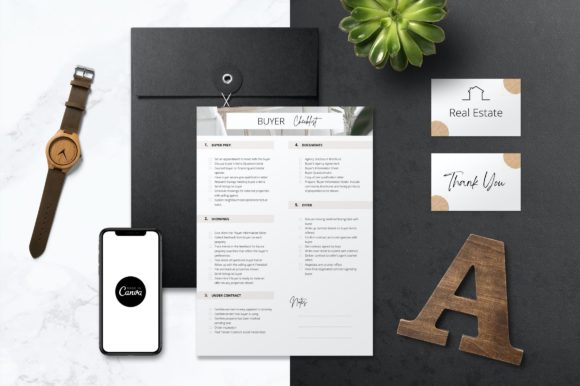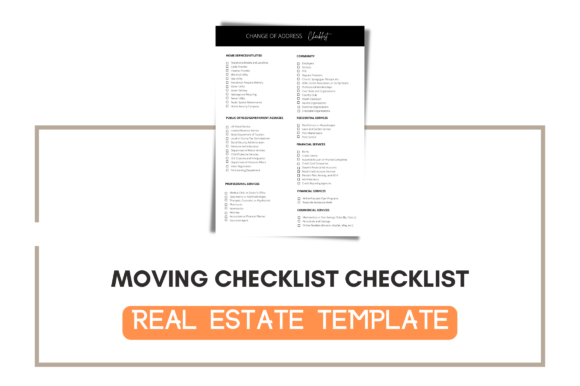
Real Estate Buyer Checklist Review
I have spent years stitching everything from intricate floral monograms to complex corporate logos, and I know that the difference between a good embroidery project and a great one often comes down to the source material. Recently, I received a Real Estate Buyer Checklist template to evaluate for potential use in my own craft business and client projects. As an experienced designer who values practical application over marketing fluff, I wanted to see how this Graphic Templates asset would translate from a digital screen into a tangible, stitched reality.
At first glance, the design carries a very specific mood: organized, professional, and trustworthy. It isn't trying to be whimsical or overly decorative; instead, it feels like a tool designed for clarity. For an embroiderer, this is a crucial distinction. The layout suggests a clean hierarchy of information, which immediately makes me think of functional items rather than purely decorative ones. When you are looking at a machine embroidery design, you are essentially asking, "Will this hold up under the needle?" and "Does this make sense on fabric?" This checklist answers both questions with a resounding yes, provided you understand where its strengths lie.
Let's imagine a real-world scenario. I was preparing a gift package for a client who had just purchased their first home. They were stressed, overwhelmed, and needed something to help them keep track of inspections, repairs, and deadlines. A simple printed paper wouldn't feel special enough for such a milestone. Instead, I decided to create a custom embroidered tote bag using the Real Estate Buyer Checklist concept. The goal was to produce a high-end, personalized gift that felt like a boutique product but served a genuine purpose. The design allowed me to incorporate essential checklists directly onto the fabric, turning a mundane task into a keepsake.
The visual appeal of the Real Estate Buyer Checklist shines when applied to larger surface areas. On a sturdy canvas tote bag, the text remains legible, and the structure of the checklist mimics the grid-like nature of embroidery stitches. The design works beautifully as a tote bag design because it invites the user to interact with it. Imagine seeing a completed list on a heavy-duty apron or a kitchen towel hanging in a new homeowner's pantry. It adds a layer of professionalism and thoughtfulness that elevates the handmade product far above standard merchandise. For an Etsy seller or a small shop product creator, this is exactly the kind of item that builds customer trust and encourages repeat business.
However, not every application is created equal. There are specific scenarios where I would advise caution. If you are working with small hoop sizes, such as those used for caps or hats, the Real Estate Buyer Checklist might become too crowded. Embroidery requires breathing room; if the stitch density is too high in a tiny area, the fabric can pucker, and the lettering can become illegible. Similarly, textured fabrics like terry cloth or thick fleece can obscure fine details. While a bold font might survive on a sweatshirt, the finer lines of a checklist could get lost in the nap of the fabric.
Stretchy fabrics present another challenge. When you apply a dense block of text or a structured list to a knit garment, the tension of the stabilizer combined with the stretch of the material can cause distortion. For a sweatshirt embroidery project, I recommend testing the design on scrap fabric first to ensure the hoop size and stabilizer choice prevent any warping. If you are aiming for a commercial embroidery piece intended for mass production, consistency is key. You want every finished product to look identical, and that requires precise control over thread colors and stitch density.
When considering the embroidery file itself, the transition from digital to physical is critical. The original design is likely optimized for screen readability, but embroidery has different rules. Satin stitches need to flow smoothly, and fill stitches must cover the area without creating ridges that catch on clothing. If the Real Estate Buyer Checklist includes tiny lettering, I would suggest simplifying the font slightly before stitching. Running stitches can work well for the actual checkmarks, adding a nice tactile element, but dense blocks of text should be handled with care to avoid thread breaks.
For those looking to sell these designs as part of their craft business, the versatility is impressive. You can adapt the concept for baby clothes, creating a soft, comforting reminder for new parents. Holiday embroidery projects often benefit from this kind of thematic relevance; a checklist themed around holiday preparations or gift tracking could be a unique addition to a seasonal collection. The design assets allow for creative freedom, whether you are making an embroidered patch for a denim jacket or a decorative pillow cover for a nursery.
Visual clarity is paramount for brand consistency. When a customer receives a personalized gift or a boutique item featuring the Real Estate Buyer Checklist, they should immediately recognize the quality. A blurry or misaligned design can undermine the value of the entire piece. To maintain high standards, always inspect small details before finalizing your project. Use proper stabilizer to support the fabric, and test the design in black and white mockups to ensure contrast is sufficient. Comparing light and dark fabric backgrounds will also help you select the right thread colors to make the text pop.
If you are planning to use this for commercial purposes, licensing is a non-negotiable step. Before selling finished items or offering the digital embroidery file to others, confirm the terms of use. Some templates are restricted to personal use only, while others allow for commercial resale. Understanding these boundaries protects your reputation and ensures you are operating legally within the design assets marketplace.
In conclusion, the Real Estate Buyer Checklist is a versatile and practical addition to any designer's toolkit. It bridges the gap between utility and aesthetics, offering a fresh take on functional embroidery. Whether you are creating a custom apparel line, crafting unique gifts, or expanding your Etsy listings, this design provides a solid foundation for success. Just remember to respect the limitations of the medium, test thoroughly, and prioritize clarity over complexity. With the right approach, this template can transform a simple list into a cherished, stitched memory.