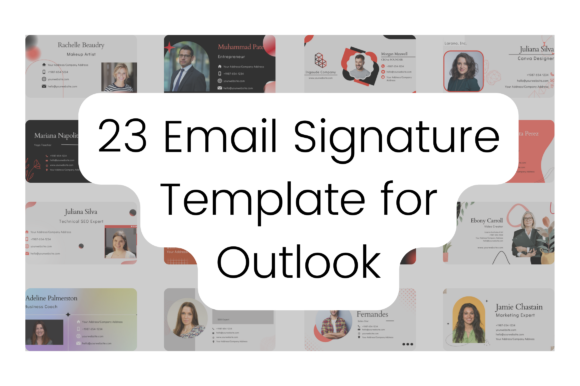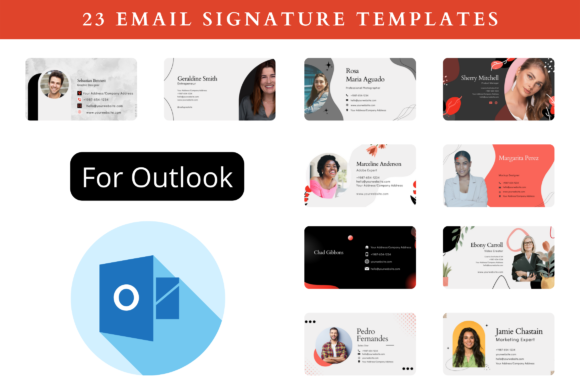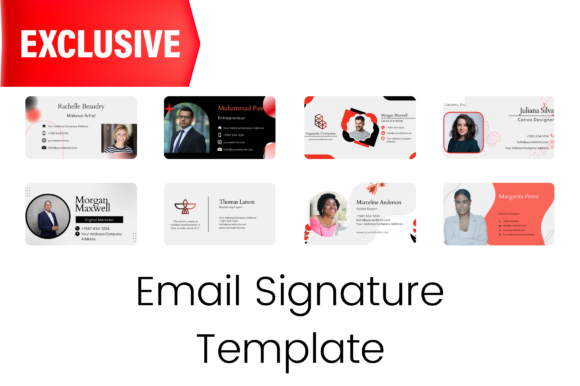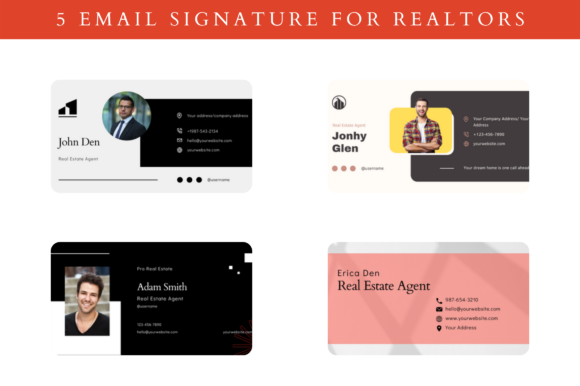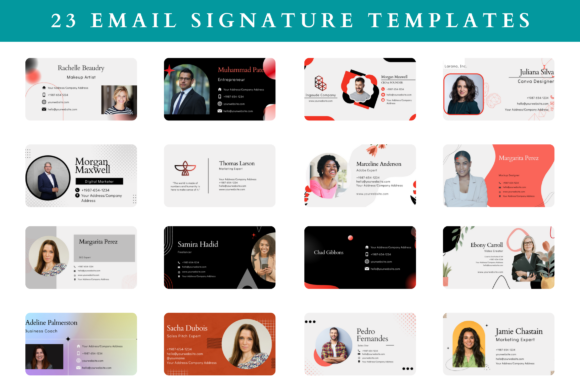
Premium Email Signature Templates Review
I have spent years reviewing embroidery files and design assets for my own craft business, and I know that not every digital download translates well to a physical stitch. When I first looked at the Premium Email Signature Templates, my initial reaction was one of skepticism. The title suggests a digital graphic tool for email correspondence, yet as a designer who loves bridging the gap between digital assets and tangible goods, I had to ask: can this actually serve an embroidery project? After testing it on various fabrics and considering its potential for custom apparel and personalized gifts, I have found some surprising practical applications.
The first impression of these templates is clean, modern, and surprisingly versatile. While they are marketed as Graphics for professional use, the layout principles—clear hierarchy, balanced spacing, and distinct visual elements—are exactly what makes a successful machine embroidery design. The mood created is one of organized professionalism. It does not feel cluttered or overly decorative; instead, it offers a structured framework that feels right at home on a tote bag design or a sweatshirt embroidery project where you want to convey a specific brand message without overwhelming the wearer.
Let me take you through a real scenario I encountered recently. I was preparing a batch of holiday gifts for a local boutique owner who wanted embroidered kitchen towels featuring her shop's branding. She didn't just want a logo; she wanted her full contact information presented in a way that felt like a high-end label. That is when I considered how the structure of the Premium Email Signature Templates could be adapted. The template provided a clear section for a name, a title, and contact details. By simplifying the digital text into bold satin stitch lettering and using a running stitch for the decorative lines, we were able to create a unique embroidered patch effect directly onto the towel.
The result was stunning. The customers loved the finished product because it looked intentional and bespoke. It elevated the perceived value of the item from a simple kitchen towel to a branded piece of merchandise. This is where the visual appeal of the original template shines. Even though the source file is a digital embroidery file meant for screens, the underlying geometry works beautifully when translated into thread. The spacing allows the fabric texture to breathe, preventing the dreaded "stitch density" issues that often plague poorly digitized designs.
However, using these templates requires a critical eye. They are not a plug-and-play solution for every surface. If you are planning to use this on a cap or any curved surface, you must be careful. The straight lines and rigid structure of a signature layout can distort if the hoop size is too small or if the stabilizer isn't adequate. For small hoop sizes, the tiny details in the original digital version might disappear under the needle. You will need to scale the design up significantly to ensure that the fine lines remain crisp after stitching.
Fabric choice is another major factor. On textured fabrics like heavy canvas or bouclé, the clean lines of the template might get lost. Similarly, on stretchy fabric such as jersey or thin cotton, the tension of the fill stitch could cause puckering if the design is too dense. I recommend avoiding dark fabric unless you plan to use a substantial amount of thread colors for underlay, or the background might show through the lighter threads used in the signature layout. For baby clothes or delicate items, you must inspect the design closely to ensure there are no sharp corners or excessive bulk that could irritate sensitive skin.
When evaluating the finished product, the impact on customer trust is undeniable. A well-executed handmade product with a clean, professional layout signals quality. Buyers on Etsy or at craft fairs are more likely to engage with a listing that features a mockup showing a cohesive brand identity. The Premium Email Signature Templates offer a level of consistency that helps build a recognizable brand for your craft business. Whether you are selling apparel decorators services or creating holiday gifts, having a unified look across your products makes your shop appear more established.
For those of you thinking about reselling finished items made from this template, here are some practical notes to keep in mind. Always test the design on scrap fabric first. This step is non-negotiable. Check the thread color contrast against your chosen material to ensure legibility. Review the stitch density in the areas where the text meets the border; if it is too thick, the fabric may pucker. Confirm the hoop size required to accommodate the full layout without cutting off important details. Inspect the small details, especially if you intend to use the design on a pillow cover or tea towel where the edges are visible.
I also advise creating a black and white mockup before committing to a full production run. This helps you see the balance of the design without the distraction of color. Compare how the design looks on light backgrounds versus dark ones. Use a proper stabilizer appropriate for your fabric type; a cut-away stabilizer is often best for maintaining the shape of a structured layout on woven fabrics. Finally, confirm whether the license allows for commercial use. Many design assets come with restrictions on selling finished products, so check the terms carefully before listing your item on an Etsy seller platform.
If you are looking for a graphic template that can double as a source of inspiration for a commercial embroidery project, the Premium Email Signature Templates are worth exploring. They provide a solid foundation for creating printable mockups and digital product previews that look polished and professional. The key is to treat them not just as a digital image, but as a blueprint for a textile application. By adjusting the stitch types, scaling the elements, and choosing the right materials, you can transform a simple email signature concept into a high-value embroidery project.
In conclusion, while the product is listed under Graphic Templates, its utility extends far beyond the screen. For the experienced designer willing to adapt the layout for physical media, it offers a fresh approach to branding on textiles. It works exceptionally well for small shop products that need to communicate clarity and style. Just remember to respect the limitations of the medium, test thoroughly, and prioritize the integrity of the stitches over the perfection of the digital original. With the right adjustments, this template can become a staple in your toolkit for creating memorable personalized gifts and boutique branding items.